When the road takes a turn, hug the curve

I have this mantra that I learned years ago at a Buddhist Meditation retreat and I repeat it to myself whenever doubt or uncertainty creeps into my mind.

“I am open to the perfect organizing power of nature. I accept what the universe has planned for me”.

If you want, substitute God, or whomever or whatever it is that you believe, in place of nature and universe. To me, it’s all the same. And it doesn’t mean that I don’t go after what I want in life. I believe it just means that the universe is going to provide it for me when I’m truly ready to receive it and can handle it. I’ve been reciting my mantra regularly for the past two weeks because just when I thought I was settling into this life of travel on the straight open road, the road took a turn.
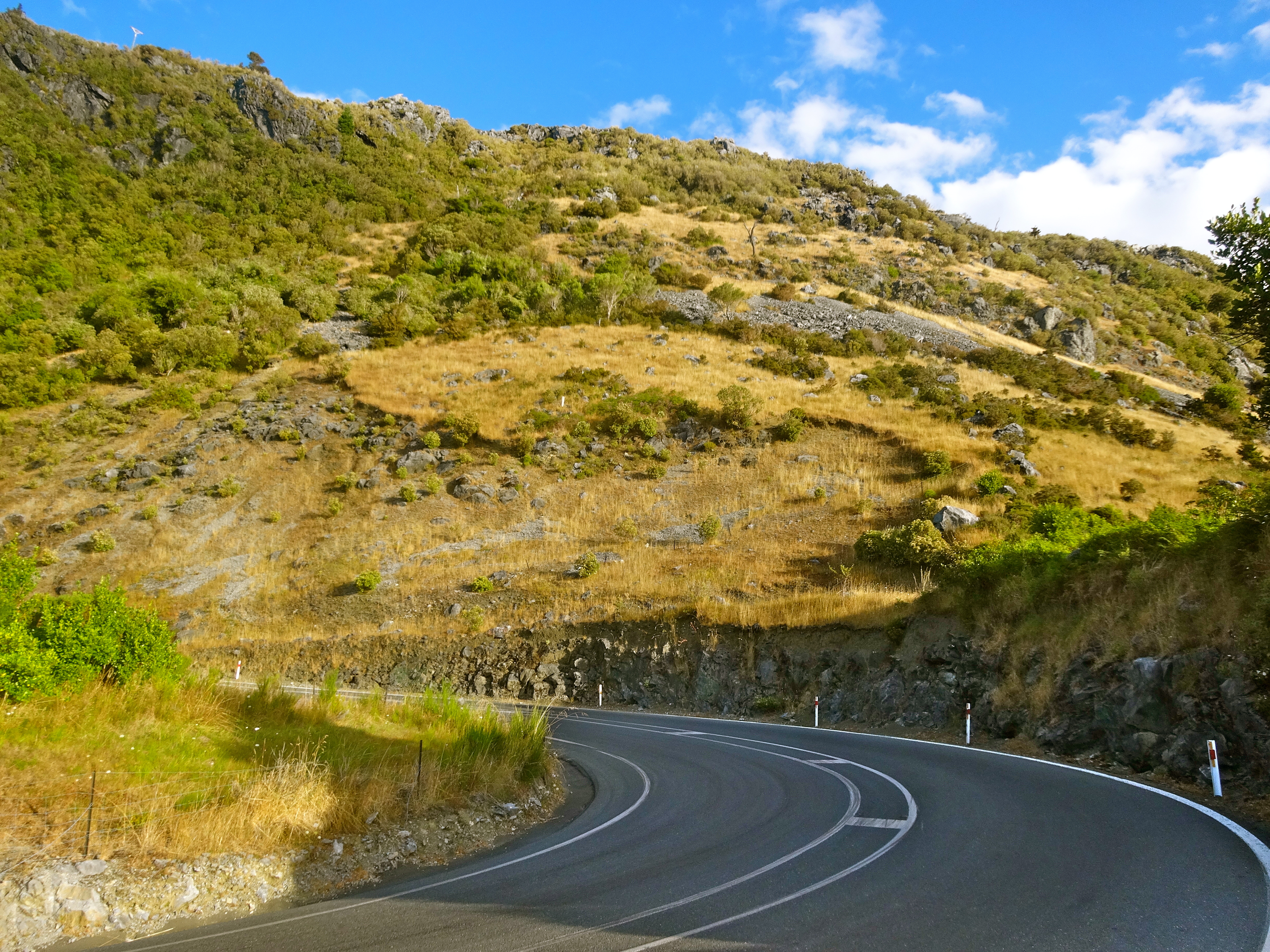
Curve in the road
Just before leaving Australia, I got a call from my dear friend and former manager, Rob. I haven’t talked with him much as I’ve traveled so I was excited to catch up with him, however, when we connected, he didn’t update me with what was going on in his life. Instead, he started explaining that there was a need for someone with my skills to work in the Johannesburg office (of the company where I formerly worked, and where he still does). He said, “I know you’ve got your travel year planned, but I just thought that you might like to add some funds to your rapidly shrinking bank account and you said you liked South Africa”. Some of you know this man well, and you know how logically he can lay things out with expert and subtly placed persuasion. This call from Rob came on my last Monday in Australia. By Thursday, one day before I was supposed to fly to New Zealand, I was talking to Rob’s counterpart in England, who would be the manager of the role. His counterpart has only been working with the company for about 8 weeks and isn’t certain of exactly what needs to be done or the current state of affairs in Johannesburg, but after a 30-minute conversation, he felt relatively confident that I could assist and said he would need someone for 3 months to get things up and running. He ended the call by asking me, “What do you think? Are you in?”

My head was spinning. Am I in? I was flying to New Zealand in less than 24 hours, still had not researched lodging, and was meeting a friend for lunch in 2 hours. “In” also meant that I would have to cancel the rest of my non-refundable flights. I would have to reschedule the rest of my travel and probably rebook in a different order because in 3 months time, the climate of the countries I was planning to visit would be different. I would have to cut my time in New Zealand short. And, if I continued my journey in 3 months when the assignment ended, I would no longer be home before the end of 2014, so I had to think about what I had planned to take care of in the US before the year’s end… things like taxes, storage, banking, etc. So the negotiations began. Before going to lunch with my friend, I updated my resume and sent a proposal of what I needed from the company in order to be “in”.

I was completely distracted during my lunch and had to apologize to my friend for being a little less present than normal. My usual 3-5 day advanced planning routine for what comes next turned in to no planning at all. I would just have to see what the world holds for me when I woke up in the morning.  I did decide to get on my flight to New Zealand and I did find lodging there thanks to some lovely kiwis who kindly accepted my last minute request for a room. After some back and forth emails over the course of 48 hours, we had reached a verbal agreement on my proposal. My new manager said, “I think we’re going to have to find our feet on this one, but with a little faith from both sides of the camp, I am sure we will be fine.” Pre-travel, no way. Post-travel, I feel like I could be dropped into a war zone and find my way out of it. So, ok, faith it is.

Now, at this point, my head made this decision before I consulted with my heart. My head thought, “an opportunity to work internationally”, no brainer. I needed to really let it sink in and make sure I was ok with it before I started reorganizing, so although I had the idea of renting a camper van in New Zealand when I was still in Australia, it couldn’t have become more necessary at that moment in Auckland to give me some time alone with my thoughts and my heart… some time to make sure I was “in” and could make a mental shift to jump back into work. And within another 48 hours, after a little searching, the universe provided a campervan. Now, the thing I love about road trips is that it’s just me and the road. Sure, there’s the gorgeous scenery and the fellow travelers and locals I meet along the way, but mostly there’s just lots of time for thinking, reflecting, and appreciating. I have been relishing every minute of it to ponder my tomorrows. I’m not necessarily one who will make “pro” and “con” lists. I’m more of a person who looks for signs and then goes with my gut. Interestingly enough, here are some of the signs that New Zealand provided to me as I literally looked at the road ahead and thought about what I should plan next.
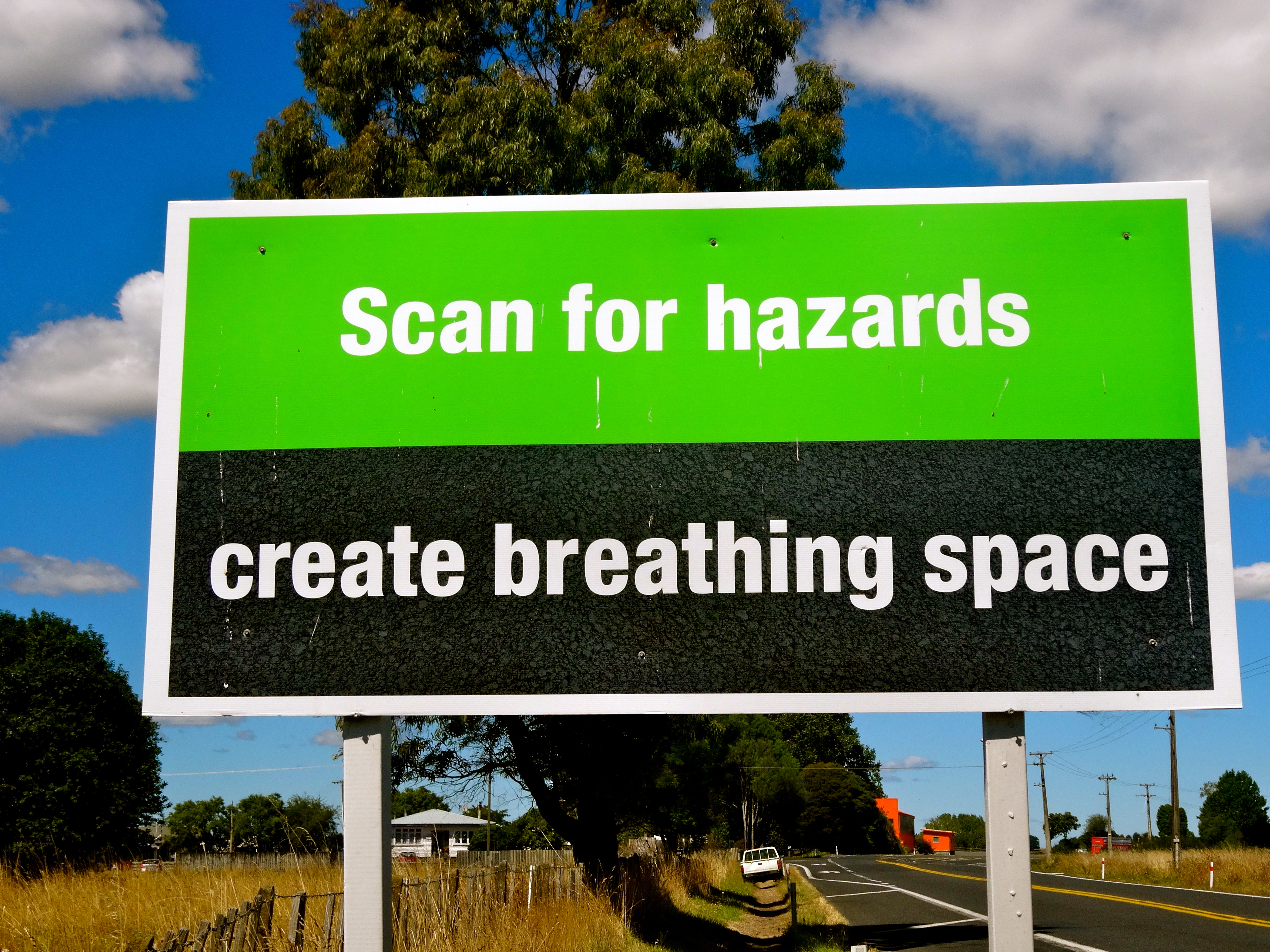
Scan for hazards

This is a road sign, but how apropos. What hazards could I expect to find upon arriving in Johannesburg? How could I create breathing space?

Plan your journey

Right. You can plan your journey, but plans don’t always work out the way you expect, so create breathing space. Wow.
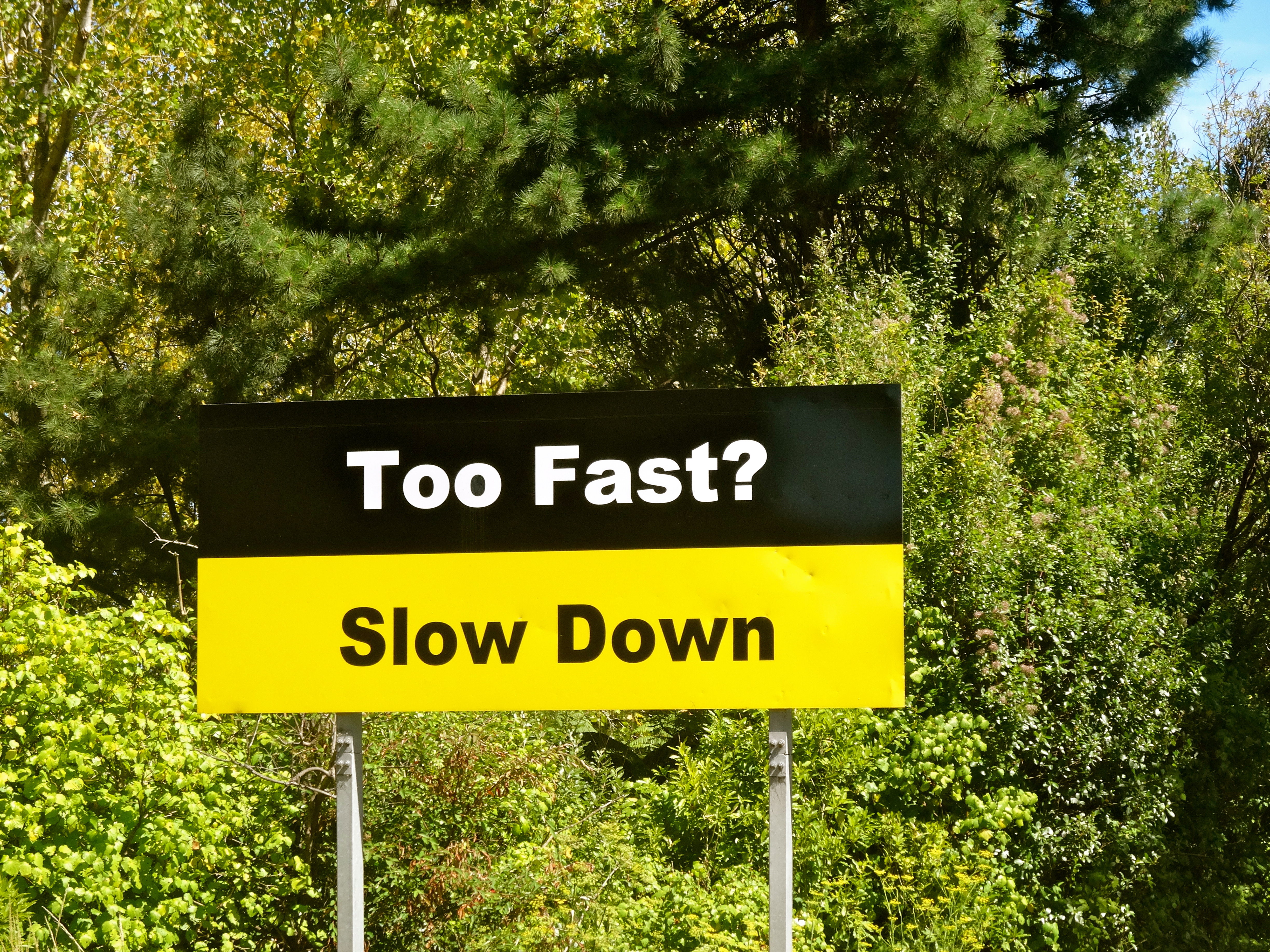
Too fast

Too fast? Slow down. Right… slow down. Ironically, when I submitted my proposal, even before I saw these signs, I added a clause that outlined the maximum amount of hours I would be willing to work per week. I added it to put the company on notice but also to ensure that I held myself to a balanced life. It was to give myself “breathing space”, even if I wouldn’t have defined it as that at the time.

I’m sitting in my camper van thinking, have these signs always been here or did someone recently just come and place them on the side of the road for me? I am loving my travels for all of the many reasons that I’ve alluded to in prior posts, but the side effect has been that I’ve also learned to breathe again, and I mean breathe deeply.

Hi, my name is Katie and I’m a workaholic. Everyone who knows me or has ever worked with me knows that I often lose some of the balance in my life because I throw myself into everything I pursue with all of my heart. So, here’s my chance. I’ve dedicated this year to travel and I’ve thrown myself into it, but this might be my chance to find balance even in traveling. A little work, a little travel, a little work, a little travel. Maybe this is how my life should go. Some routine and then a break from routine. The signs are making me ask myself all the right questions.  Maybe some of the lessons I’m learning have really sunk in this time. Maybe I’m ready to learn them.

“I am open to the perfect organizing power of nature. I accept what the universe has planned for me”.
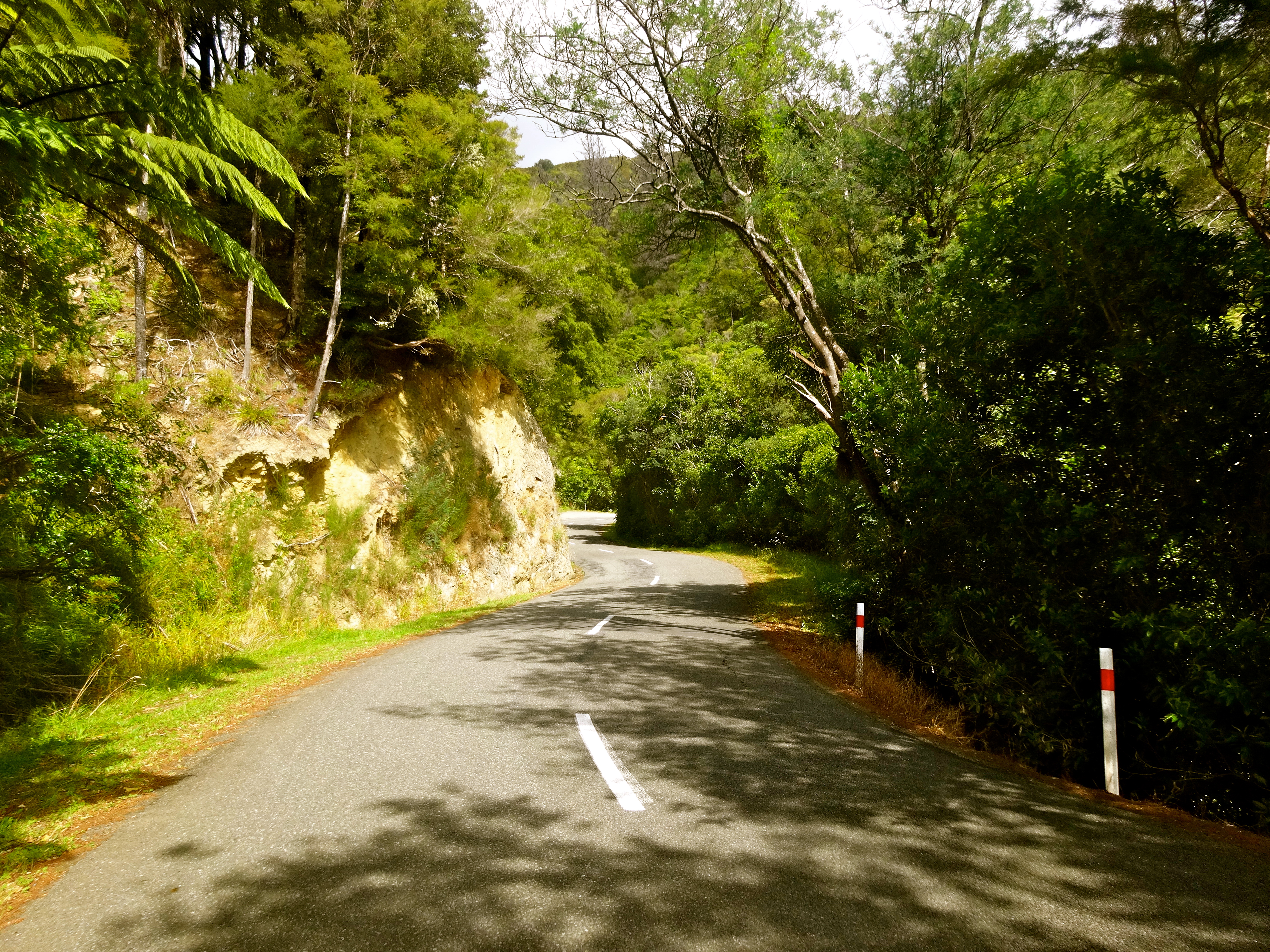
Winding roadI’ve been on the road witnessing the amazing and breathtaking scenery of New Zealand for seven days. When the road takes a turn, and I can’t see what’s ahead, I hug the curve and it always straightens back out again. I’ve been breathing deeply and I’ve been revelling silently with awe and gratitude. And I’ve decided…I’m in.

Thanks for letting me talk this through and share it with you. Stay tuned for more adventures as I go back to South Africa… in 4 days!

Attitude is everything – enter “Janaina Paxer”

I was recently recollecting turning points for me in the course of my travels with a new friend and fellow traveler, Kristy Randall (highlighted here ).  I thought this particular instance was worth sharing because it applies to everyday life, not just travel, and has truly shaped the rest of my journey.

Puno town square

Puno town square

I was about eight days into the start of my international travel in the small town of Puno, Peru and I was supposed to take a leisurely bus tour through the countryside from Puno to Cusco, known as “The Sacred Valley”, stopping to see and explore several historical sites.  However, the town of Puno had other affairs bubbling to the surface.

I was having dinner in Puno after a very long day of travel and touring and still fighting a bit of altitude sickness (Puno sits at about 14,000 feet), when all of the electricity went out in the town.  It was pitch black.  I thought nothing of it having grown up in the country myself and figured it was just a power surge.  My waiter brought me a candle for my table so that I could finish eating my meal and we were all comfortable just waiting for the electricity to come back on… but it never did.  I finished my dinner, tottered four blocks back to my hotel, and upon entering the lobby, was called immediately over to the reception desk to take a phone call.  My tour operator was on the line explaining that a political strike had begun in Puno and it was expected that the electricity would be off indefinitely.  In addition, she wasn’t certain that buses would be running the next day, as most public services were screeching to a halt in cooperation with the strike.  Therefore, she thought it was best to get me onto an overnight bus to Cusco within the hour and have me forego the next day’s tour excursions.  Still somewhat fresh on the road and adapting to solo travel, I certainly didn’t want to be stuck in a tiny town with no electricity and some very unhappy citizens, so I quickly agreed.

I went to my room, pulled out the pocket flashlight for which I thought I would have no need, and started packing my backpack as best I could while holding the flashlight in my mouth so that I could see what I was doing.  As promised, my tour operator arrived to fetch me and took me to the bus station.  She went as far as to change my ticket, put me on the bus, and ask a friendly stranger and father of two in the seat next to me, to look out for me since I spoke little Spanish.  Now, this also meant that she was going to call ahead to the tour operator in Cusco to let him know of the circumstances and ask if he could meet me at the bus station in the morning.  I would also need to call the host family with whom I was staying to let them know that I would be arriving at 6am instead of 6pm.  It was a bumpy ride through the night, and I got very little sleep, but I made it to Cusco.  Miraculously, the next tour operator was there to meet me in Cusco and my host family kindly allowed me to check-in early.  The room I rented from my host family was a little more rustic than described and there didn’t seem to be any hot water, but I rested that day, explored the town a bit, and tried to make the best of the situation.

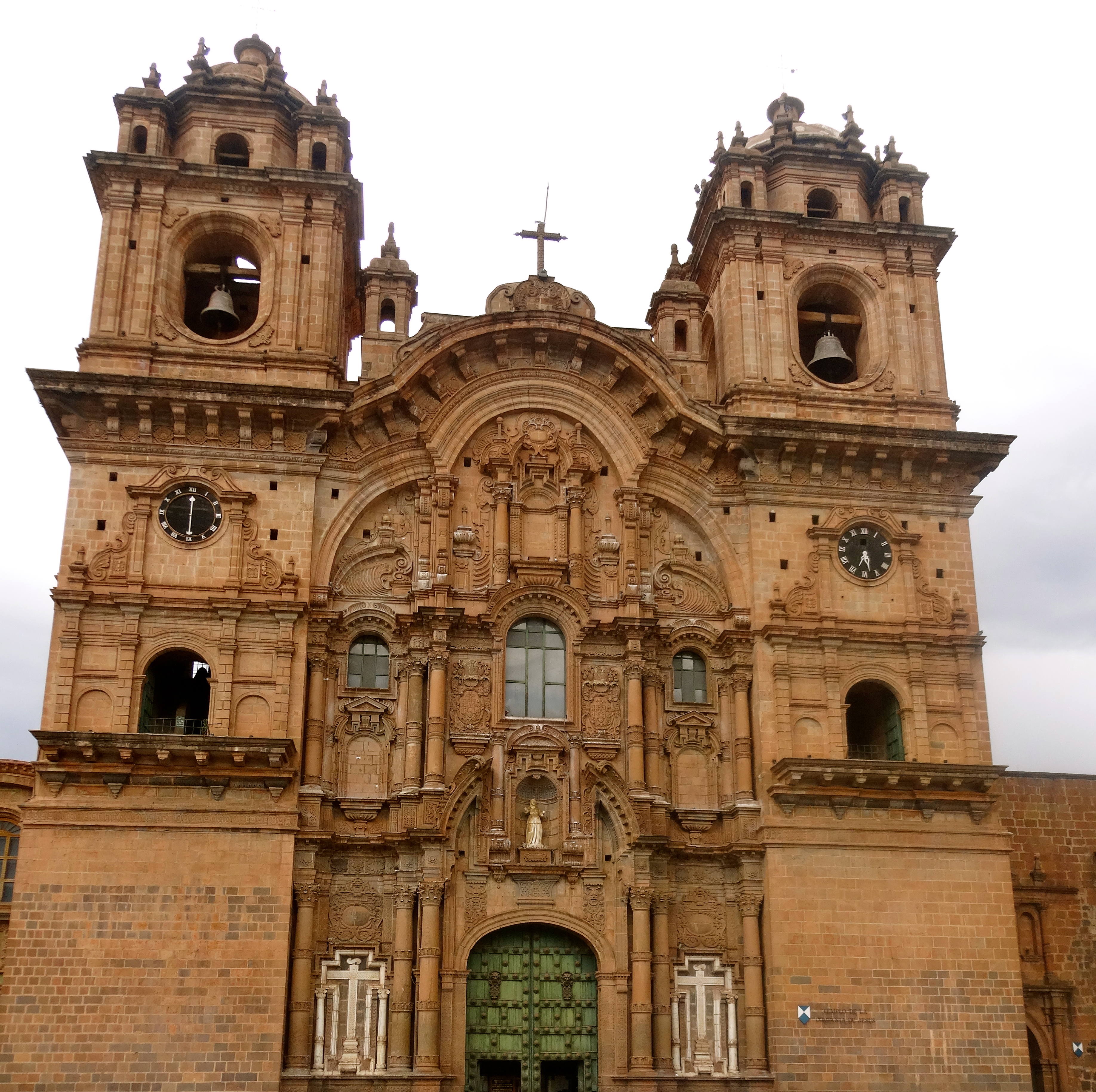
Cathedral de Cusco

Cathedral de Cusco

The next morning, I was scheduled to commence with my tours of the town and several historic ruins.  I arrived promptly at the meeting point and patiently searched for my tour group.  Considering that this tour company had been so prompt and on top of things so far, I half expected them to be waiting for me and calling out my name.  No such thing occurred and after several minutes, I began searching for the group.  At this point, the tour was supposed to have already begun.  A few more minutes passed and now, I would be almost 10 minutes late… I hate being late.  Finally, a girl walked out of the cathedral where the tour was scheduled to begin and called my name.  I walked over to ask what was going on and she proceeded to apologize and explain that yesterday, someone else had mistakenly taken my “boleto turistico”, the tourist ticket that allows access to a dozen different historical sites, including the cathedral I was about to enter.  Instead, she was giving me the ticket with the other person’s name on it; the person who had taken my ticket.  This ticket is valid for up to 14 days, allows re-entry to all the sites during that timeframe and costs over $100.  She continues to explain that the office that administers these tickets is unsympathetic to these types of mistakes and will not re-issue the ticket, nor can the tour company purchase another, so I would have to use the one she was giving me.  This is why I couldn’t find them and they couldn’t find me.  They were calling a different name.

“So, what does this mean?”, I say.  She continues to explain that she has already informed the current tour guide of the mistake and has assured me that he will take care of any issues throughout the day.  She says they rarely ask to see ID when you present the ticket at the entrance to sites, so it shouldn’t be an issue.  However, for me, this ticket was also a memento for my travel journal and I would have to take care of explaining the situation in the following days to other guides and then be especially creative if I wanted to re-enter any of the sites.  I was very frustrated.  This is not consistent with my expectations of customer service.  In the US, I would be negotiating my way to a new ticket, a discount, or some other resolution to make up for the mistake, but in Peru, where I spoke little Spanish, had no idea how far I could push the issue, and really didn’t want to waste any more time on it, I felt a bit helpless.  The girl gave me her contact number in case I had any issues in the coming days, which was pointless since I didn’t have a local phone and the ruins are all in remote countryside towns.  I felt a bit deflated, and also a little angry that I had just missed the first 20 minutes of my tour of a gorgeous cathedral.  I had not arrived in Cusco under the best of circumstances, didn’t have the most comfortable accommodation, and was short on sleep so this was just the icing on the cake after my last 48 hours.

I walked into the cathedral to join the group and felt a bit awkward as everyone turned to look at me causing a disruption.  The tour guide was talking but I had no idea about what since I was late.  I could feel my negativity festering.  I sat there a few moments pondering what I could do about this situation, completely ignoring what was going on around me.  Then I looked up.  I was surrounded by gold in-laid tiles, gorgeous stained glass windows,  ornate artistry and symbolism unlike anything I had ever seen.  I was stunned.  In that moment, I thought, I could sit here and be pissed off about this ticket mishap, or I could forget about it and relish all of the beauty and history that I was witnessing and enjoy the rest of my day.  Before proceeding to the next area, the tour guide came over to introduce himself since I missed introductions and asked me what my name was.  “Hi”, I said, “I’m Janaina Paxer.  Sorry to be late”.

Boleto touristic with Janaina Paxer's name… my temporary identity.

Boleto truistic with Janaina Paxer’s name… my temporary identity.

Now, of course, I can look back and laugh about this entire week.  So I was Janaina Paxer for three days.  Who cares… after all, I had joked with friends before leaving that the best thing about traveling alone is not only that I can do whatever I want, but I can also be whomever I want.  And guess what?  My boleto turistico with Janaina Paxer’s name on it is an even better memento and reminder in my travel journal.

Whether while traveling, or in plain old, day-to-day life, it’s rare for everything to go as planned, but attitude is everything.  I’ve always known this but find it’s easy to forget.  As I continue my travel, I think about that 48 hours between Puno and Cusco regularly.  I have had many more similar and different challenges and am happy to say that slowly but surely, I’ve learned to take all of them in stride.

Sometimes there are moments when I have to remind myself to revel in gratitude… and am so glad when I do.

Going native with the Kuku Yalanji

As I travel, I usually try to do as the locals do to get a sense of culture, but recently I decided to go a step further – not just local, native.  As I’ve ventured through Australia, I read about the aboriginal peoples who lived there.  In every country I’ve visited there have been a native people, similar to the Native American Indians in the US, who are slowly dying off because they have lost their land, their way of life, and many times their ability to share their stories.  Each of these peoples has a unique way of life and an amazing ability to reap more from the land and its flora and fauna than most current day city dwellers.  I didn’t want to leave Australia without learning more about some of these peoples, so while visiting the Daintree Rainforest in Cairns, it seemed like the perfect place to learn about it’s aboriginal clan.  In Australia, there are more than 200 clans, or mobs, as they are sometimes known, all of whom speak their own dialect of aboriginal language.

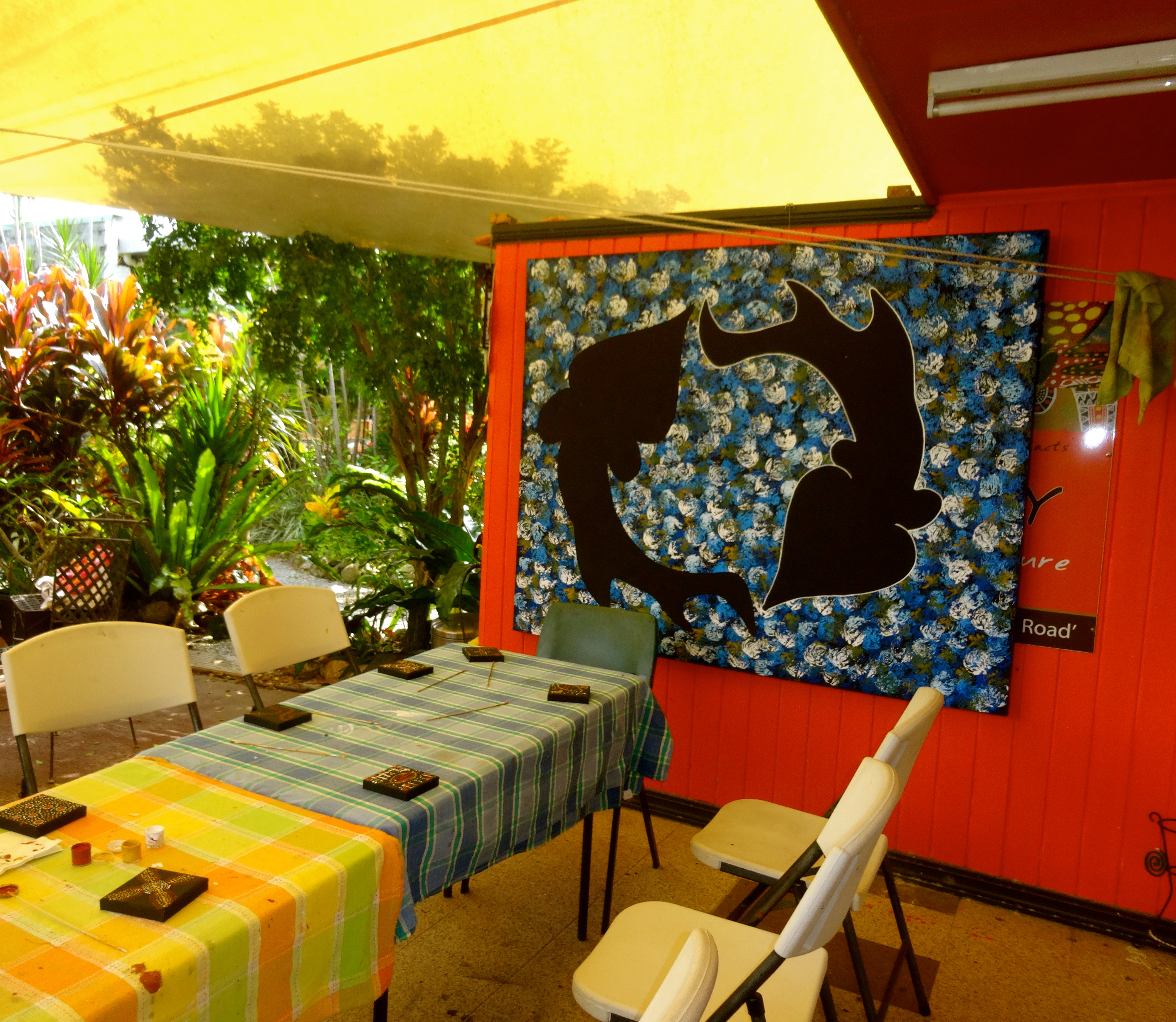
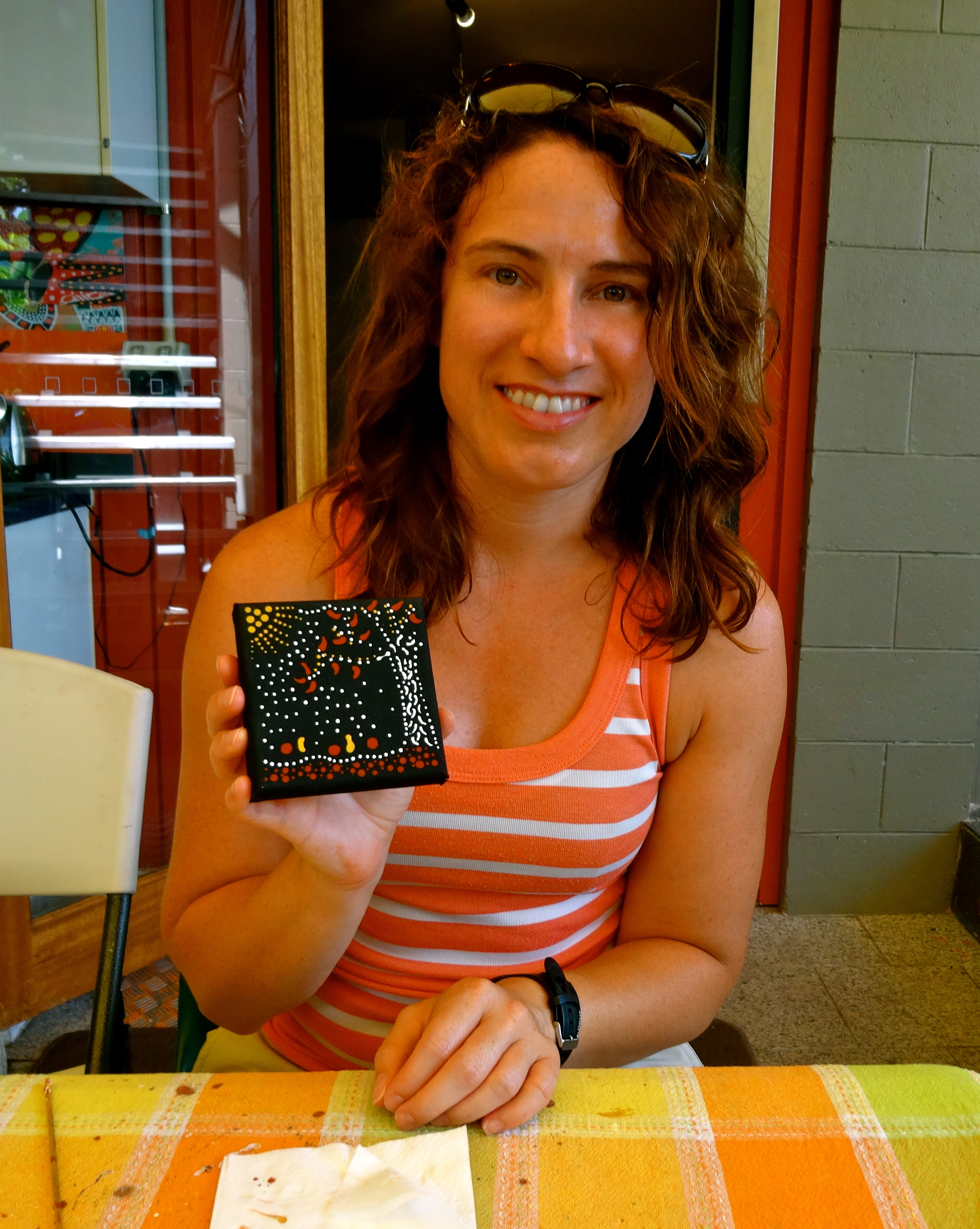
Binna's studioThe day started at the Brian Swindley Gallery in Mossman.  Brian goes by “Binna”, and his gallery is also his home.  Binna is passionate about sharing the Kuku Yalanji way of life so that it is never forgotten and he does so by telling stories through his artwork.  Binna was born with a severe hearing disability that he has overcome by learning to speak and lip read and he has been communicating through his painting for over 20 years.  When our group arrived at his gallery, we were welcomed with Binna’s giant smile and great sense of humor.  Binna explained that before his people had language, they communicated through art, and the art told stories about the land and the animals.  The colors used are typically an earthy red to represent the land, a mustard yellow to represent the sun, and white to represent water.  The artwork is often painted using sticks and creating variations of dots and lines.  Once he taught our group about some of the symbolism of the paint colors and how to create the patterns, he asked us all to paint something that we had seen when we walked through the rainforest.  As I looked around the table, I could see everyone thinking hard about what they should attempt to paint and how to do it.  DSC04187I, myself, found that painting by using a pattern of dots and lines was very detailed and time consuming even for the small canvas that we were given, yet Binna, who joined us and continued working on one of his own pieces, seemed to paint effortlessly.  The picture in his mind was very clear.  He was remarkable to watch.

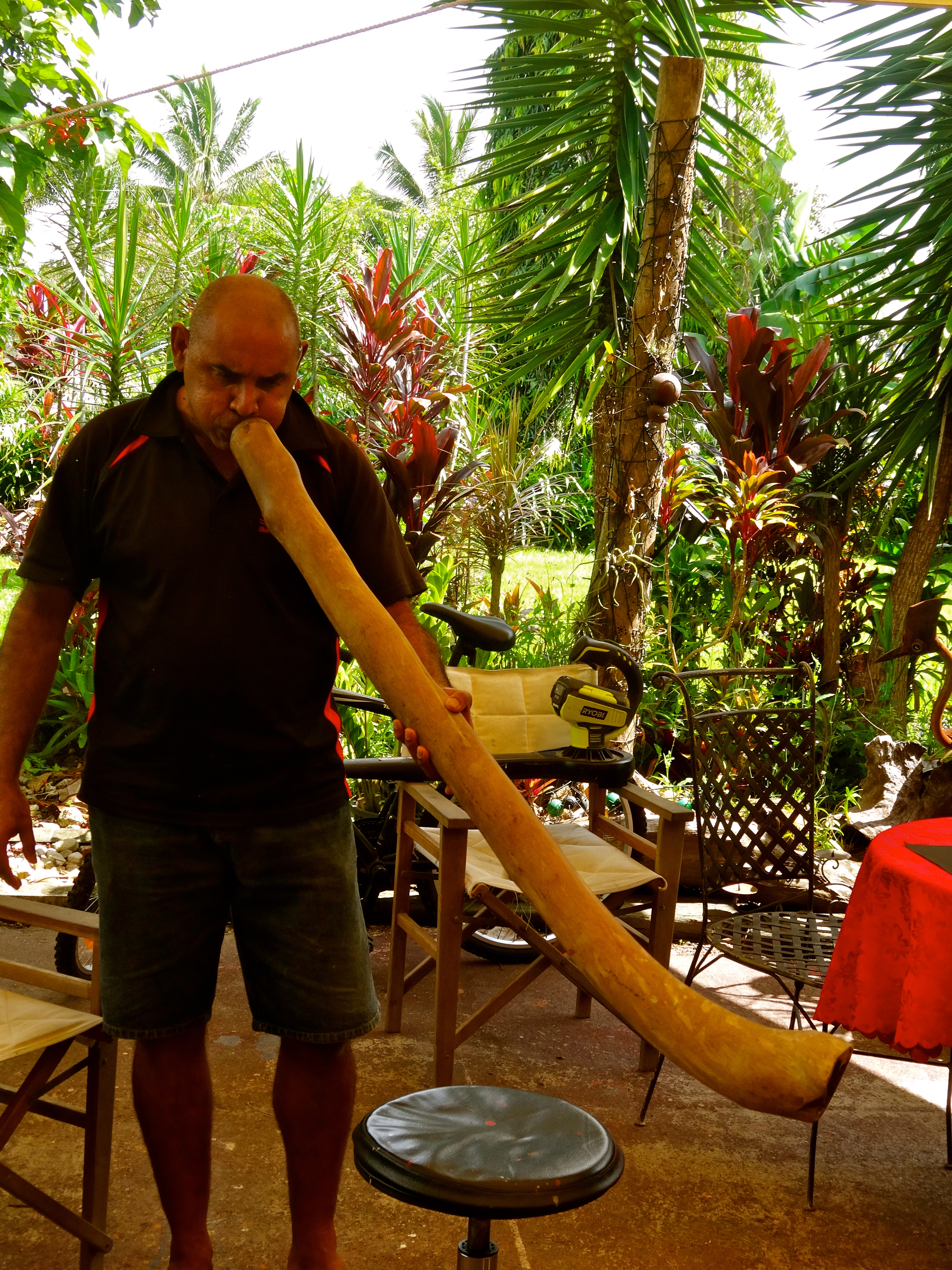
While the paint on our canvases dried, Binna ended our session by teaching us how to play the didgeridoo, a wind instrument developed by the Aboriginal peoples of Australia.  This instrument was used to recreate the sounds
found in nature and again, to tell a story.

Binna playing the didgeridoo

Binna playing the didgeridoo

There are specific dances that are performed to the music that also emulate the habits and movements of the animals.  In general, only men play the didgeridoo because it is believed that if a woman plays it, she will become barren.

After leaving Binna’s house, we went to the Daintree Rainforest for a nature walk to learn about all of the edible, medicinal, and poisonous plants, as well as some of the animals and insects in the forest.  We filled our water bottles up with the fresh mountain stream water, and after a delicious lunch of fresh barramundi or kangaroo, we were off to the mud flats.

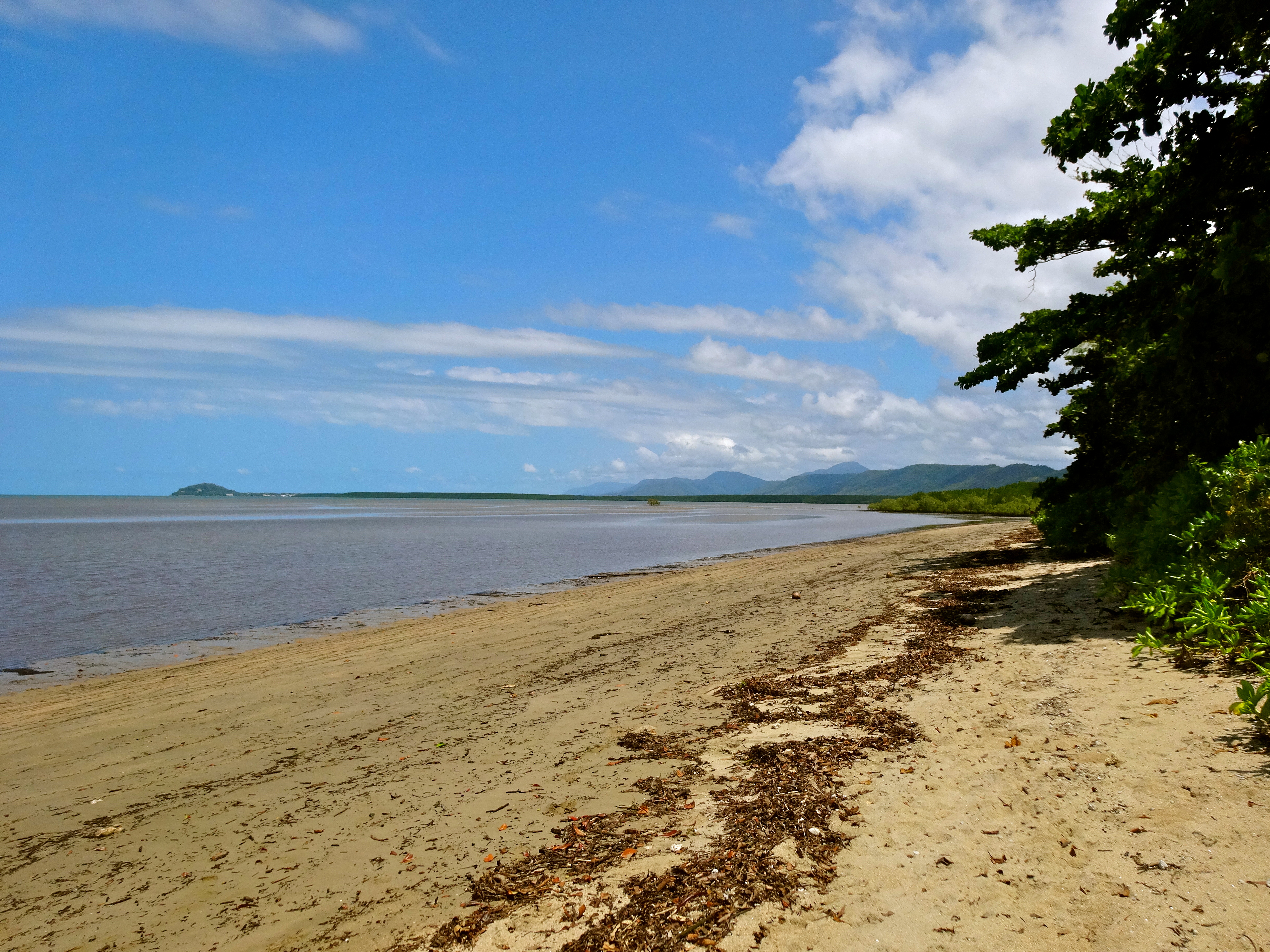
Cooya BeachCooya Beach (Kuyu Kuyu in Aboriginal language) is a unique coastal place with three diverse ecosystems – beach, mangroves, and coastal reef – that are connected to each other by the ever-changing tidal lagoons.  It has traditionally been the hunting ground for the Kuku Yalangi because when the tide goes out, the ocean floor turns into a sandy, muddy mix.  There are crabs, fish and other sea creatures that don’t always make it back out to sea with the tide, which makes them easier to catch.  Because of the heat of the day, they all tend to burry themselves in the sand to stay cool.  The Warra family, of the Kuku Yalanji clan, has been fishing on this beach for decades and now owns a block of land just across from it.  The family has over 200 members and many of them live within a few blocks radius of the beach and one another; their community is close-knit.

There are two brothers, Linc and Brandon Walker, who strive to preserve the rights of their people to fish on this beach and who are passionate about sharing the Bama Way, an Aboriginal journey from Cairnes to Cooktown that follows story lines of two different cultures and how they operated as traditional custodians of the land.  Linc was waiting for us when we got to the beach and also greeted us with a giant smile and lots of enthusiasm.  There was an empty bucket sitting next to him along with a pile of bamboo sticks that all had a metal point fastened to the end of them to create spears.  The tide was out, the mud was fresh, and Linc explained that we would be searching for mud crabs, mussels, and maybe even fish on the beach today.  He gave each of us a spear and then taught us how to hold and throw them.  Linc placed a few coconuts ahead of us and we all stood in a line to take a few practice runs at throwing our spear at the coconuts.   We would be attempting to hunt and catch our food that day so that we could take it across the street to Linc’s house for an afternoon meal.  After watching everyone’s initial attempts at throwing their spears, it was looking like we might go home a little hungry, but we were certainly an enthusiastic and determined bunch, so off we went.

I was walking cautiously through the mud to try to sneak up on any crabs I found so that they wouldn’t scurry off beyond my reach.  I was certain after my own attempts at throwing my spear that the closer I could get, the better.  Plus, I didn’t want a crab pinching me if I accidentally stepped on it buried in the sand.  We had a group of 10 people, so we fanned out.

We were only walking for about 10 minutes when, Jayne, one of the ladies in our group, called out to Lync.  She had found 2 mud crabs mating!  This worked out quite well because they were distracted and she was easily able to spear the male.  Linc explained that according to the Bama Way, we would only take the male because the female was too small and it was best to give her another chance to mate.  This made perfect sense and didn’t matter much anyway because male mud crabs are huge.  Just after we got the male crab in Linc’s empty bucket, one of the other members of our group found another female mud crab, this one was large enough to keep and eat.

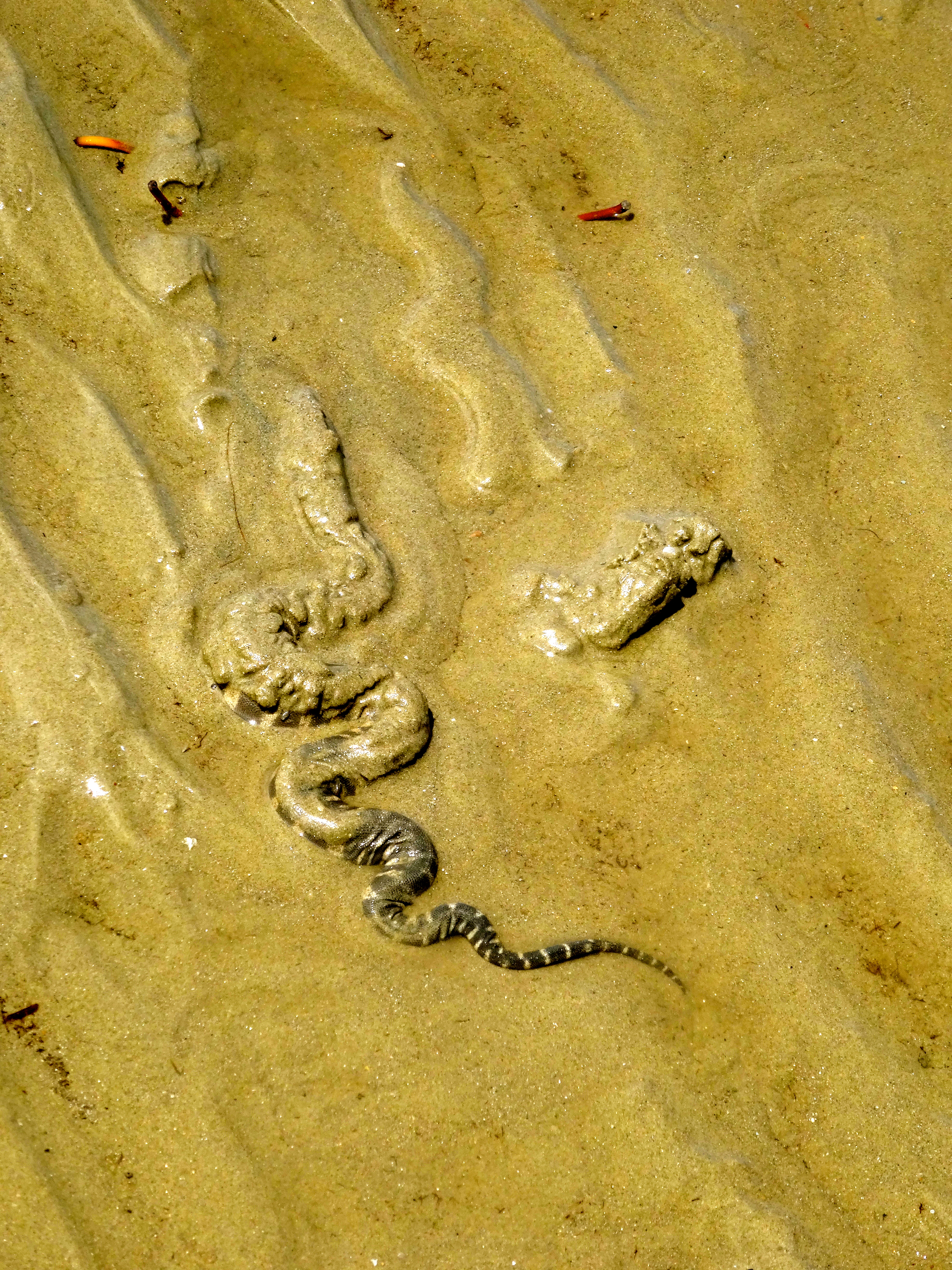
Sea Snake on Cooya Beach

Sea Snake on Cooya Beach

After a few more minutes, Marc, our driver and  guide, called out to the group to let us know that he had found a sea snake.  We had no interest in catching or eating it but he wanted us all to know where it was because it was rare to see and because it was extremely poisonous.  We wouldn’t want to accidentally step on it.  Fortunately, it is usually difficult for them to bite humans because there mouths are so small, but nonetheless, it was best to avoid it.

By this point, I was really determined to find a crab.  I’ve never had to hunt for food in my life, but as I participated in this exercise, my competitive drive kicked in and I wanted to contribute.  I fanned as far away from the others in the group as I could so that I could hunt in my own patch of beach.  My eyes were peeled trying to spot even the slightest movement; poking at dark holes to see if I could scare a crab to the surface.  Finally, I saw what looked like two eyes, but I wasn’t certain because I was a few feet away.  I planted my feet, took my stance and jabbed my spear forward, just lower than my target as we were instructed.  Crunch.  Yes!  It was a crab!!  As I pulled it up out of the sand, I realized

Speared sand crab on Cooya Beach

My speared sand crab on Cooya Beach

that it was smaller than the mud crabs we had just caught and it was tinted blue.  I didn’t know what kind of crab it was and wasn’t sure it was big enough to keep so I motioned for Linc.  He came over and identified it as a sand crab.  He said it was big enough to take and it would be a tasty dish because it is sweeter than the mud crabs.  Woohoo!  I had just speared my first catch and I was very satisfied that I would be able to contribute to our afternoon meal.  I couldn’t wait!

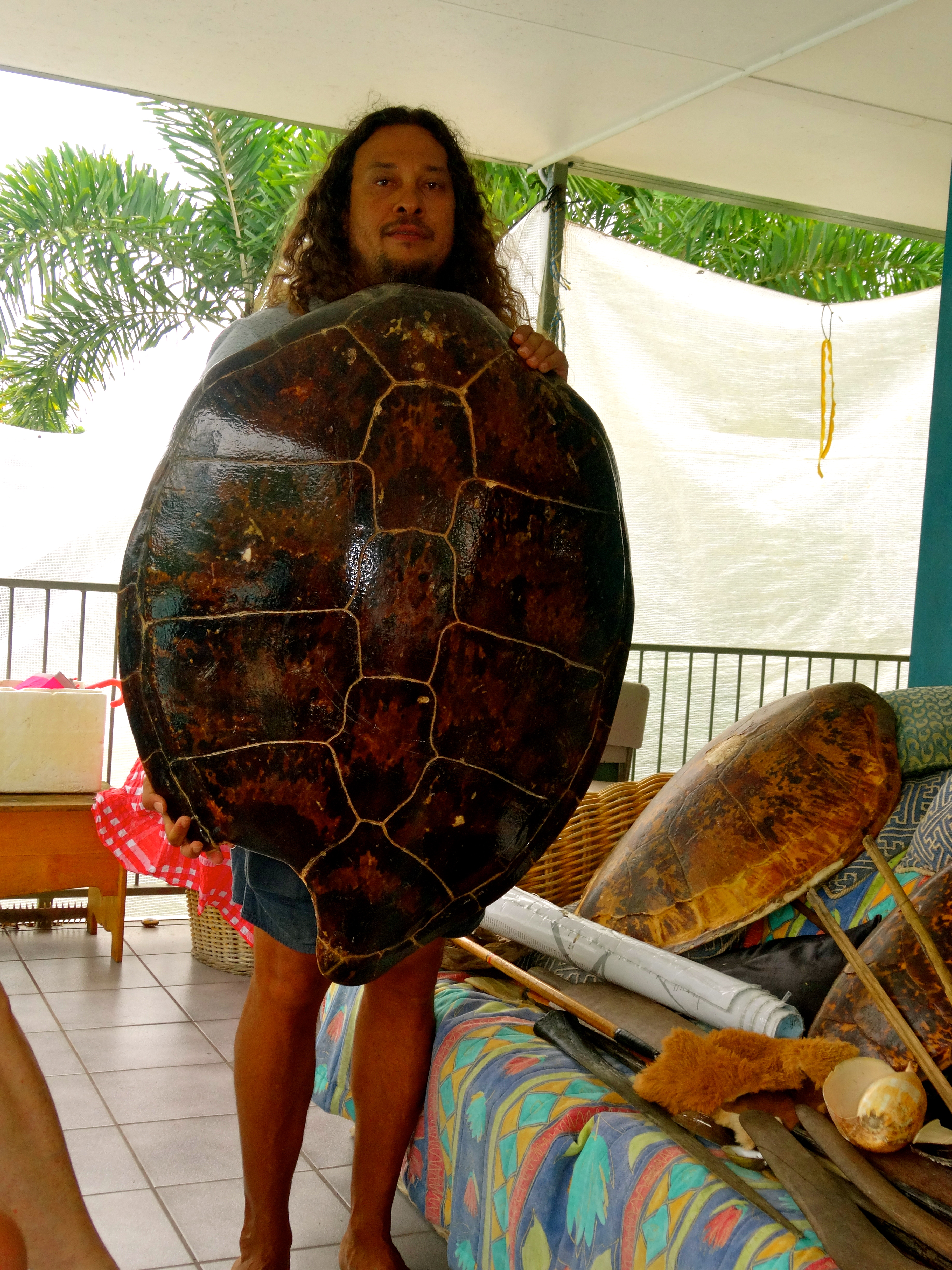
Linc demonstrating how large the sea turtles are … it takes a few men to pull them out of the water.

Linc demonstrating how large the sea turtles are … it takes a few men to pull them out of the water.

After hunting for our food, we went across the street to Linc’s family home to cook it and eat it.  There is nothing better than fresh crab!  Link had also made some damper, a type of soda bread, for us to try.  While we ate, he showed us the shells of all the other sea creatures he had hunted and captured in those mud flats and he also explained some of the customs and traditions of his clan.  In their families, children have many mothers and fathers because all of a mother’s sisters are standby mothers to her children and a father’s brothers are standby fathers.  It is also traditional for them to make large meals and eat in a communal style.  They actually catch large, green sea turtles about once every 2-3 months and when they do, it is large enough to feed almost their entire family of 200+ members.  Impressive.

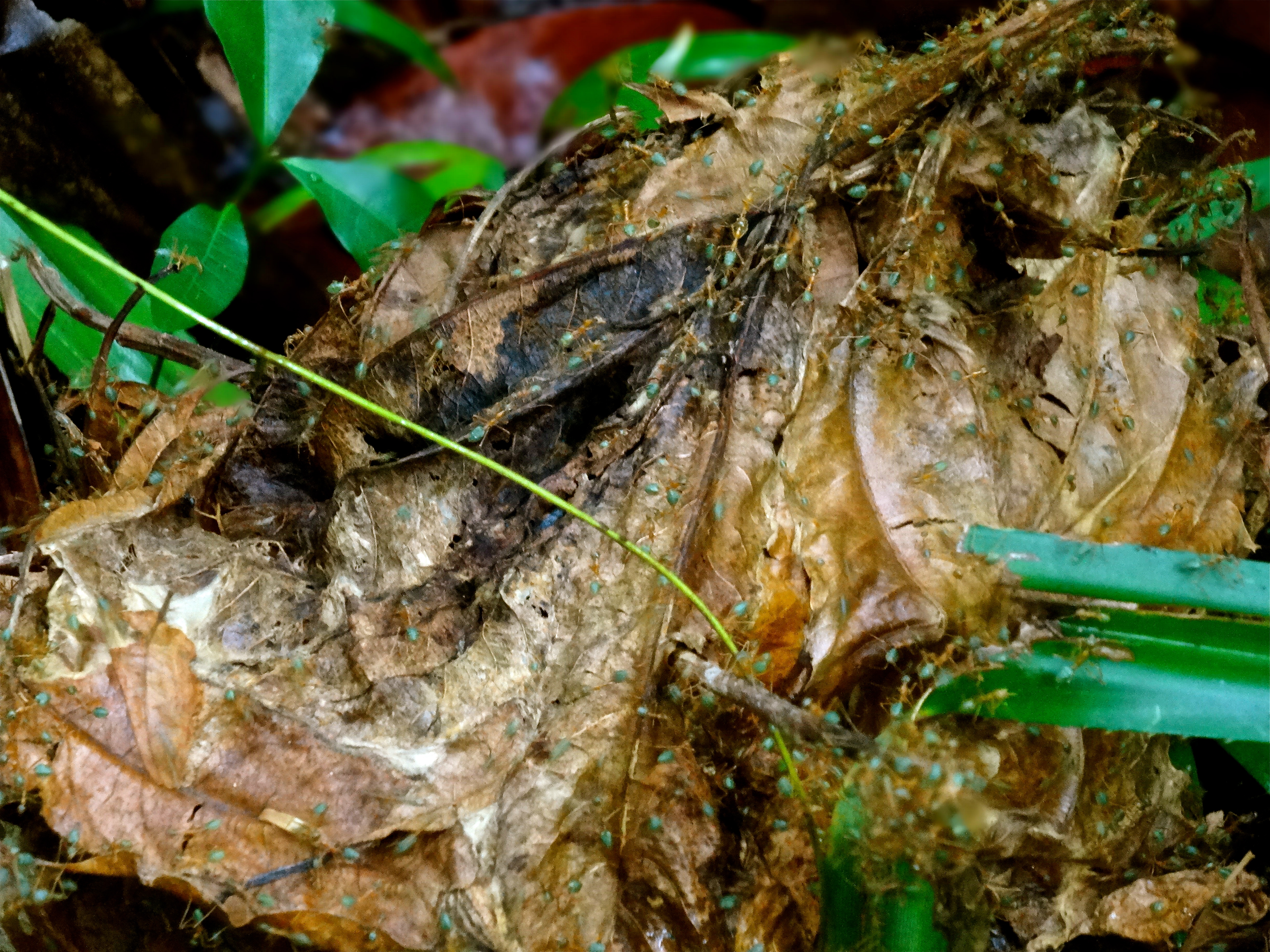
A nest of Weaver ants

A nest of Weaver ants

Our final lesson of the day… the green ant.  It’s formal name is the Weaver ant and it is eaten not only by Australia’s aboriginal people but also by populations in parts of Asia and China because it is high in protein and fatty acids.  It’s gaster, or posterior portion, is bright green and contains formic acid.  Normally, the ant defends its nest by pinching and then spraying formic acid to make the pinch sting.  However, if you stir up a nest, gather a handful of these ants, and then mash them together quickly before they pinch your hands, they will release all that formic acid and it has a lemony-lime smell that the Aboriginals often used for medicinal purposes to clear the sinuses.  Linc insisted that if we ate it, it would taste a little bit like lemon or lime.  My adventurous nature tends to fade quickly when it comes to eating insects but Linc was insisting, so before I could think about it, he gave me one to try.  I think it tastes like lime!!  I don’t know that I’ll go around scooping them up whenever I see them, but I guess if I’m ever stranded in the rainforest, I’ll know what I can have for breakfast.

The experiences of this day were really fun and special for me.  The Aboriginal ways of life are extraordinary and I loved learning about them and hearing the stories.  After all, isn’t that what life is all about? … Creating memories and telling stories?  I hope it makes you want to try something new… something that you’ll be able to share in a story at your next happy hour or dinner party.

Revelling in gratitude for all of the stories people have shared with me.